Garden Notes
the sentience and interactivity of the garden

*
Introduction
Beans
Rustic Arugula
Tomatoes
Cantaloupe
Zinnia
Potatoes
Nicotiana
Lettuce and Greens
Parsnips
Turnip Greens
Garlic and Shallots
Peas
Greek Oregano, Dill, Sage Parsley, Basil
The Welcome Wild Things
*
1) Introduction


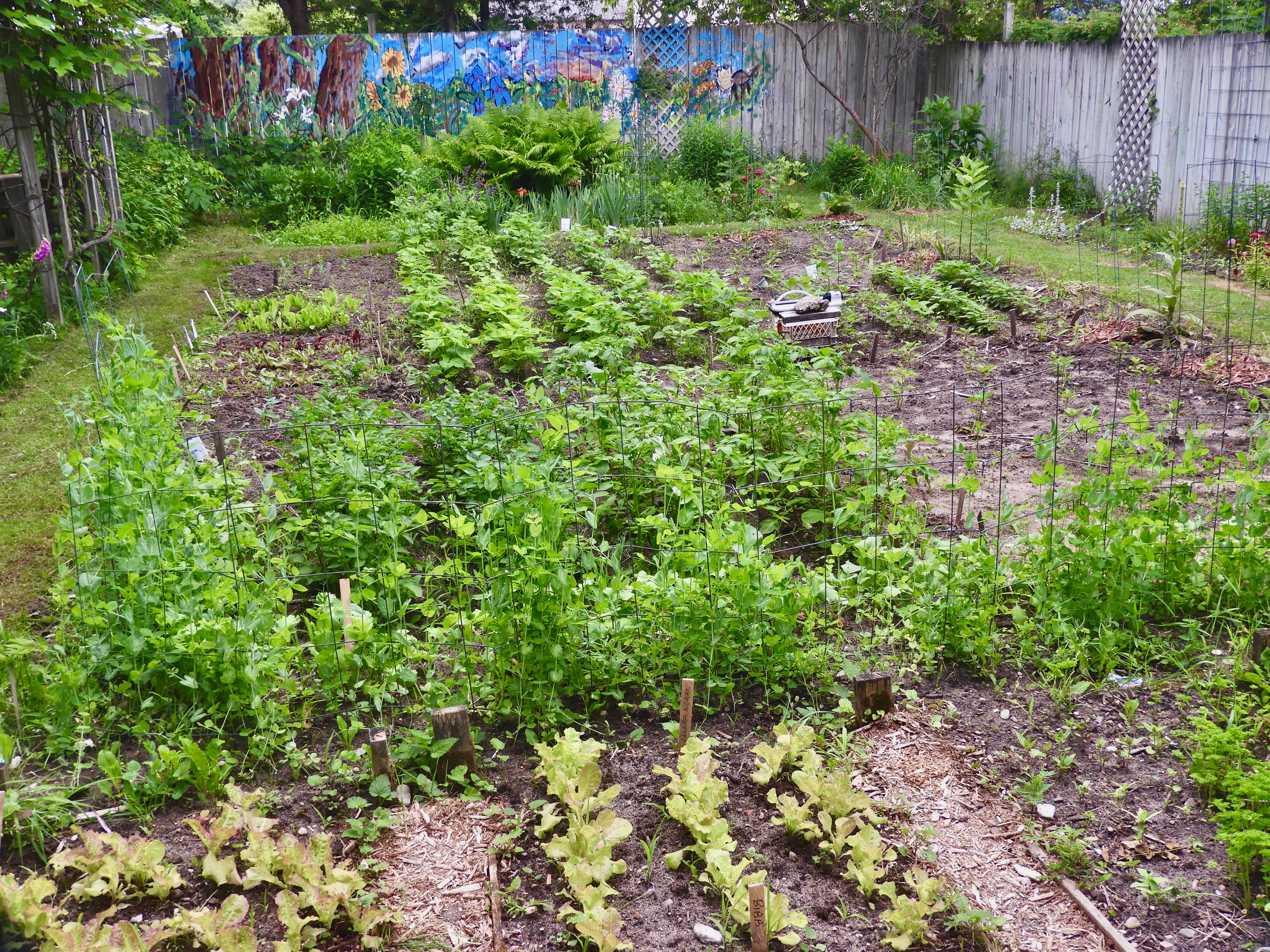
Gradually there came a time over the past decade or so when I started to feel my gardening take on an aspect of a conglomeration of different relationships, a community of sorts that consisted of the overlapping give and take I maintained with each of the plants, the greens, vegetables, fruits and flowers, I was increasingly committed to over each year, as well as being increasingly aware of the commitment they showed to me. The greatest number of the species I germinate, prepare the ground for, and plant each year I start from seed. I thought that this commitment, my love and care, for each of these varieties spoke to me more and more, spoke to how I relate to the world around me and the little world I wished to create close by, literally out my back door, that presented me with many gifts, nourishments, and inspiration. How else to define such an interaction other than a relationship, an intimacy?

It’s a broad stretch to think of plants and even the earth they grow in possessing a kind of sentience, a method of communicative interactivity with the beings that they depend upon to thrive, reproduce, and assure their futures. And of course, those beings are not just human beings. Recently I came upon a theory that claims that these sentient presences are actually as responsible for how we grow as how we grow them. They grow us in much the same way we grow them. There really is no dominant, no more highly intelligent partner, in this arrangement. They use us to thrive, just as we use them to thrive. If this isn’t a kind of equal interactive sentience, I don’t know what is. Though perhaps it is a different kind of sentience than what we are willing to recognize as our own, I propose that all living things (and why leave the composing elements of the earth itself out of this equation?) have the sentience they require to interact and live in an infinitely complex and interdependent system of life.

With that in mind I began to think about the personality types and the qualities of my relations with the things I grow in my garden… how I grow them and how they grow me.  I thought I would write a short piece detailing this in regard to a list of different food and flower species I have come to depend upon, even love, over the years. The list got very long indeed!  So, here is a first part of what promises to be a multipart exploration of my relationships with these plants.

Note: This piece may be longer than some email programs allow, so click on the title above and go directly to the Substack Site to read it in its entirety.


2) Beans

One of my earliest memories of gardening is picking beans.  There were always four or five rows of green and yellow beans in our garden when I was a kid.  At one time the garden occupied almost half of our backyard (our family’s entire lot was half an acre). The garden slowly retreated over the years, though green and wax beans were a constant in all its incarnations. By the time I was twelve I did much of the work involved in planting and maintaining the garden. By then, it had shrunk to about a third of its original size. This seems, in memory, to have occurred over a long stretch of time but in reality, it was probably only over about ten years. My father’s father built the house and established the garden with its two peach trees, an apple and a pear tree. He died a month before I was born, and my father and pregnant mother moved from Pittsburgh with my two older sisters to the house and stayed there with my grandmother for the next twenty years.

I couldn’t tell you how old I was when my sisters and I started to be recruited by my mother to pick and then “snap” the beans. The rows seemed interminably long back then. We were all given brown paper grocery bags for the beans and a few sections of newspaper to sit on as we scooted between the rows. Those bean picking days come back to me as hot and humid and still. It was not my sisters’ and my favorite chore, though eating beans straight off the bush was almost worth it… crisp, sweet, somehow tasting like their color… we were not discouraged from eating our fill as we picked.  After we’d scooted our butts down the full length of all the rows, we brought the bags of beans into our screened porch, dumped them in a pile on newspaper, and sat in a circle to commence with “snapping” them. For those unfamiliar with the ritual, snapping beans entails ‘snapping’ off both ends of each bean and breaking the bean in up to four pieces to prepare them for freezing or canning or for that night's dinner. My mother preferred freezing them. We had those beans all year at dinner.

As I said, that chore was not a favorite though we never resisted with much force. Resistance was not really allowed in my childhood home. And, to be honest, I appreciated the end product.  Despite the semi-drudgery the job entailed, my memories of snapping beans in the screened porch on those humid, breezy, summer days are pleasant ones. Maybe even a little dreamy. Still, in my own gardening practice, beans were a latecomer to the things I took great pleasure in growing.  It wasn’t until I found that I actually liked canned green and yellow beans over the ones I froze when I first started to grow and preserve them that I was more attentive to the variety and culture of beans.

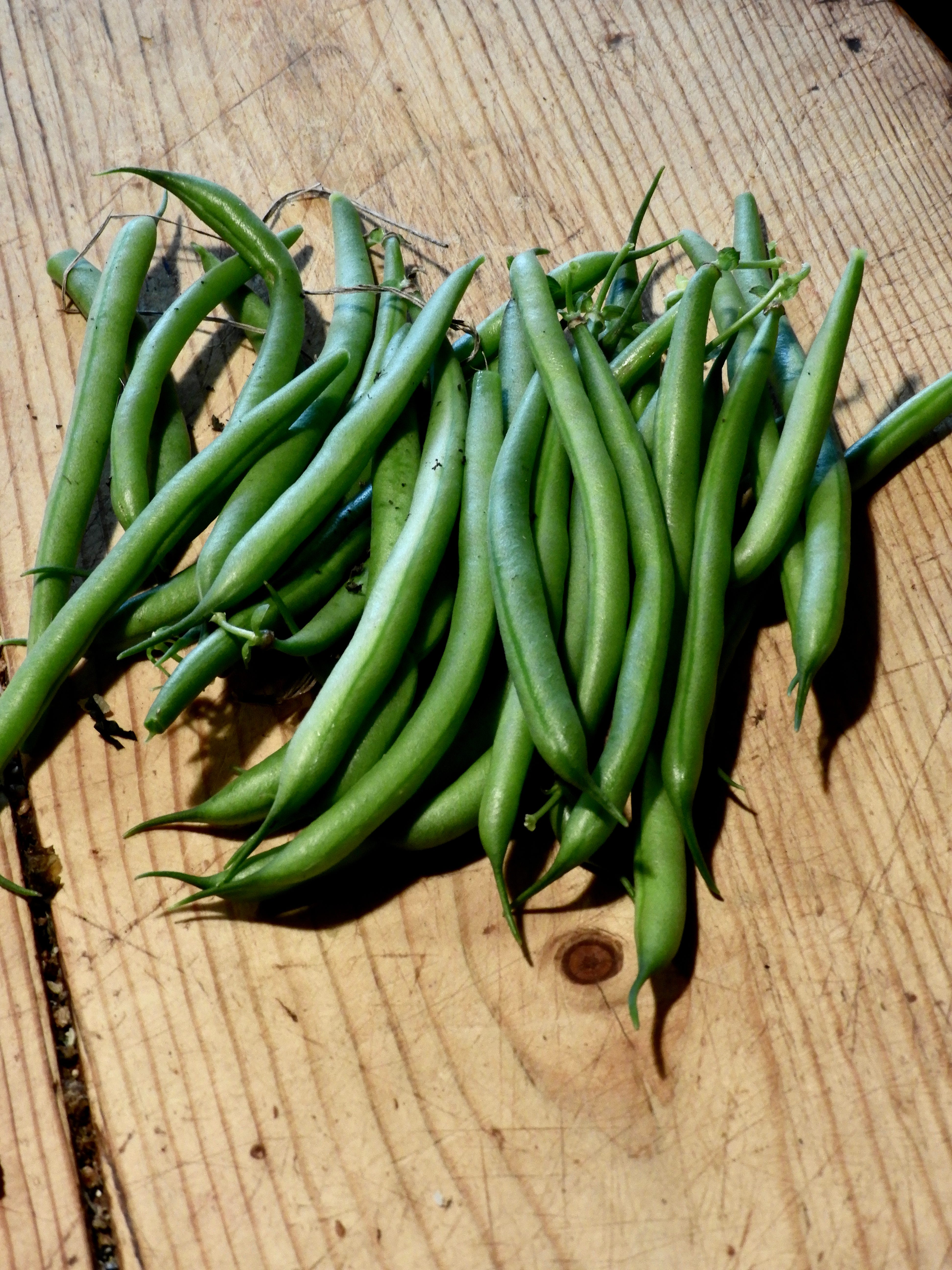
In the process I happened upon French filet varieties. These slender, stringless, shorter varieties are so sweet and tender. If picked at the right time they are just the right size to fit whole in a pint canning jar. One only really needs to “snap” the stem end. From then on, I no longer turned a somewhat disparaging eye toward my rows of beans.

At some point in the past ten or fifteen years I thought I’d try my hand at growing beans meant for drying. Shelling beans. A revelation. Cracking open the dried pods, having yanked the plants up by the root and hung them in tied bunches in a dry place for a few weeks, the pods yielded amazing little jewels. I was entranced by this process and still am. I try new varieties each year often just because of their coloration but have settled on pinto beans, cannellini (O white gems spilling from your rustic ponchos!) and a variety named yin-yang beans… spectacular and meaty for soups and baking they are what their name says they are… the epitome of oblong yin-yangs ringing the bowl as you bust them from their dusty crackling pods.

So, beans, as humble as they might appear, are always a mainstay in the garden. I grieved in the years when wet weather caused a rapidly moving fungus to sweep through the rows of my shelling beans, reducing a wide swath of the plants and their burgeoning pods into gross slime. In my small space I have become accustomed to growing things, the rows, more closely than is generally recommended. So dampness can be a problem; beans don’t like it (in fact, if one plants bean seed too early in a wet cool spring, they can expect the seed will rot in the ground).  One solution I have also found effective to prevent such disasters is to plant my rows of beans in the direction of the prevailing breezes.

In the past five years I have also discovered a pole bean, Fortex, that is very productive. I have a pole in the middle of my lettuce and greens beds that works nicely. I have been working to find a perfect purpose for this pole since I started gardening here. The fortex beans are very long and fat and very juicy and only get tough quite late in their grow life. They are excellent for French cut green beans… and we love beans cut and canned in that way. I remember the day I found a French cutter tool in a catalogue. I was geeked.
3) Rustic Arugula

I love arugula, but the fact of the matter is the climate here is unkind to things that require longish cool temperate Springs with a narrow range of temperature, not too cold and not too hot. Within a few weeks our weather tends to leap rather dramatically from wintry freezes and cold rain (the ice that usually covers the bay often persists into April) to sudden heat. Many greens bolt at the first indication of evening temperatures above 50 degrees and daytimes that lean into the upper 70s. And they won’t germinate until the deep night frosts subside. Here, that gives the poor things only a week or two to get started before the heat announces they must flower. Arugula, the kind normally grown as an annual in gardens, is no exception.

I thought this year would be different and might even indicate a potential positive outcome of global warming when April came in with a mildness heretofore rare and untrustworthy. The winter was nearly snowless (in an area accustomed to over a hundred inches of snow a year…  with years that far exceed that modest approximation of the normal snow fall. One year we got over 90 inches of snow in one storm that lasted less than a week!) so I planted spinach not halfway into the month.

I should note that I have never had any luck with spinach here and in spite of the mildness in early April the weather soon returned to its old tricks. The deep night frosts returned, delaying any prospective germination until May was almost here. The continuing cold slowed any subsequent growth, but soon cool sunny days returned for a few weeks. And I was ever so hopeful! I love spinach! And there are a couple of farmers in the area that grow and sell the stuff, but they grow it in huge greenhouses. Still, I thought maybe this year was the year for me and spinach. And just as the plants started to seriously leaf out, we had almost a week of temperatures that neared eighty degrees. Well, damn! That spinach, in spite of my attentive watering in hopes it would cool the whole urge to flower, sent up its flowering spikes in no time. Such is my luck with a good number of things I would like to grow. Bok Choy.  Some of the other Asian cabbages and greens too.

And I’m open to suggestions about all this. But arugula has similar propensities, though I have been known to grow a small square of the stuff that requires rather rapid response re: harvesting. It grows very quickly. I’ll have a large amount in no time, all of which I can never eat in a timely enough fashion.

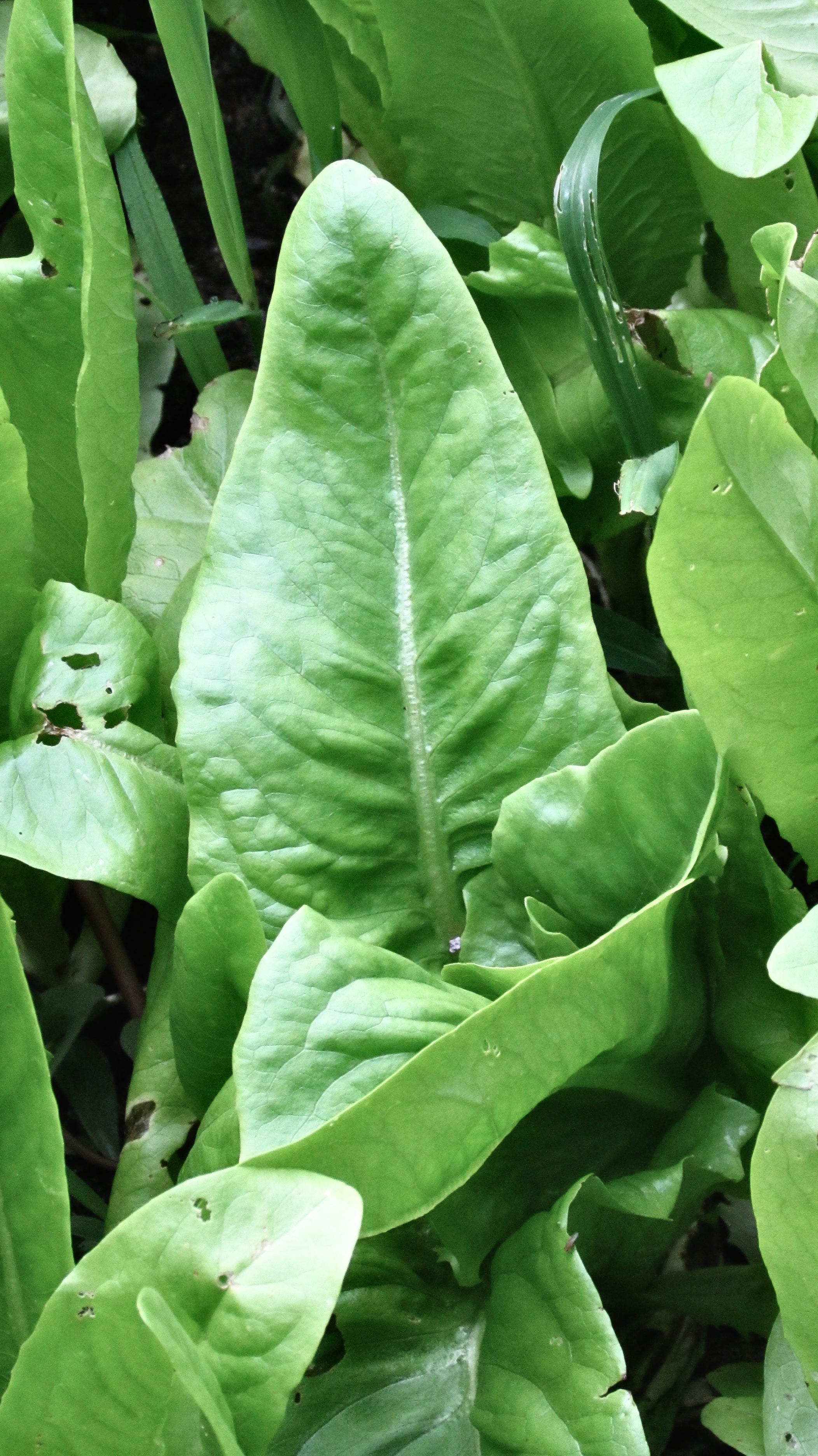
But then I came upon rustic Italian arugula. To be sure, the seed catalogue sold it as an annual plant but to my surprise it self-seeds readily, if not overwhelmingly. Same spicy piquant addition to salads and soups. Narrower leaves than its more traditionally grown cousin. And it gets spicier as the summer progresses. I am always on the lookout for its first emergence in the spring as I prepare my lettuce and greens beds and it never disappoints. Sometimes it appears in the same place it occupied in years before, often it springs up unexpectedly in less obvious places. And it is not something one wants a shitload of. Just a few freshly clipped leaves for the day’s salad… or in a soup, omelet, or pesto.


4) Tomatoes

I belong to the church of the most glorified and holy tomato. I refuse to eat the cardboard cutout false prophet varieties that have taken over most grocery store produce departments. An apostacy. A gross indignity and a mortal sin.

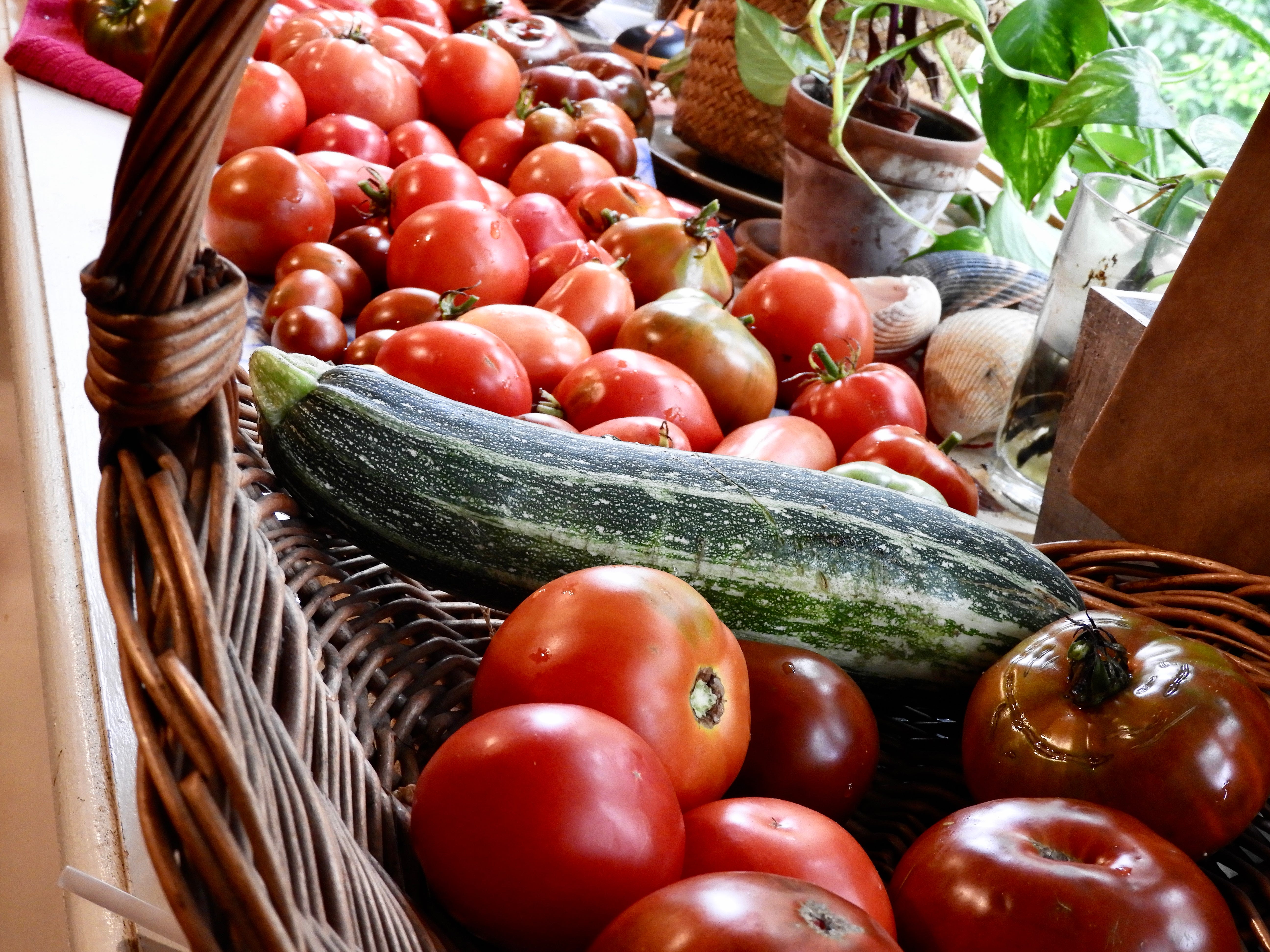
I was introduced to the best varieties of tomatoes, those heirloom and older hybrids developed by, say, someone’s grandmother in the deepest parts of Appalachia or brought to this country from Czechia or Ukraine by a refugee from an eruption of bloodletting in those parts.  I’ve had a number of tomato guides and holy men and women who have imparted essential instruction, advice, and who’ve engaged ever-exponentially experimentation with methods of growing those globes of the most deified mother of all fruits, fruits that require a mere shake of salt and pepper to be enjoyed at their best and most advantageous. A sharp slicing knife can be handy but bitten into warm, just off the vine, is the truest representation of the sanctified tomato godhead on this planet that has clearly borrowed its slightly flattened shape from the tomato.

Oh, there is none so beneficent as the blessed tomato and its many forms, its visionary sauces, soups and salads! Bow down before the presence of the tomato, if you dare, and admit to its godliness, its perfection in your gullet and on your tongue.

And yes, I continue to seek perfection in my ways of raising the children of the most elevated red orb that eventually fulfil my deepest urges to be fully present for the baskets and bowls of even imperfectly shaped and streaked tomatoes glorified in the light of all kitchens... and so goddamn fucking tasty having been brought into the house, prayed over with bells and chants, chopped and peeled and made into the best of the year’s sublimest culinary gifts… culinary gifts that whisper sensuously, orgasms on the tongue oh summer summer summer… can you smell that tomato plant? Can you taste the sun and rain?


5) Cantaloupe

Ice cream you can grow.

There is very little that compares to a cantaloupe fresh from the vine. How exciting is it to lift a melon you’ve been attending since it first bulbed out from the blossom where it was born? And the melon… hefty, aromatic, an incomparable scent… slips effortlessly from its stem. A sign of its readiness and its perfection. It even comes with its own little bowl… after you cut it in half and spoon out the seeds. And what can you fill that bowl with? I prefer small curd cottage cheese, with freshly ground pepper over the whole thing. My mouth waters to think about it. O pepper boy!

Cantaloupe was a mainstay in my childhood garden. It was easy to grow in the comparably longer and more consistently warm summers of southeast Michigan with its heavy soils, a product of the filled and drained marshes and fens that predominate the entire area.

It’s been more a challenge to grow them here in the north. Here the sandy dirt doesn’t hold water very efficiently and the cold nights can slow the growth of almost any heat loving fruit or vegetable.  But last year was a banner year, I had almost a dozen melons… a number of which were absolutely perfect. This came after a few years with only a handful of worthy specimens, and a number of other years that were complete and utter fails. I moved my tomato efforts as well as the garlic and shallots I’ll speak about soon to the community garden plots a few blocks away. I have two 12’x12’ plots. I have limited areas of space in my backyard with more than six or seven hours of sun by late in the summer, and the number of tomato plants I wanted was growing so I moved the tomato operation up to the community plots. I thought I’d give cantaloupe a try up there too. It’s been trial and error ever since. One year an infestation of squash bugs in the community garden plots destroyed everyone’s squash “crops” … and my melons were likewise decimated. Those bugs were big ugly hungry horny beasts.

Initially I plant my cantaloupe plants between the garlic. I actually think this offers the plants some protection as they are getting started, and just about the time I pull the garlic, the plants are ready to sprawl out and start producing fruit.

Wish me good luck this year.  So far, the plants look good, and I’ll be pulling garlic in the next week or so.

6) Zinnia

Zinnias are another one of those garden staples, like beans, that I looked down upon in the past, only because they were among the first things I grew when my parents first gave me a few seeds and a tiny five by five-foot plot in which to plant them.

But why? Immensely colorful and tough, zinnias rarely fail to satisfy.  They bloom profusely until the first frosts and pollinators, even hummingbirds, love them.

In the past five years I’ve taken to saving a small square of dirt in my backyard vegetable garden for zinnias as well as planting a mass of several varieties in one of my flower beds. The plot in the vegetable garden is probably about the same size as those first little gardens my parents gave me to plant.

Some years ago, the monarchs hovered in and around the zinnias in numbers I still have a hard time believing.


7) Potatoes

For some reason I don’t think people think a potato fresh from the garden has the same superior taste and texture characteristics that is expected from almost any other home grown and freshly harvested vegetable or fruit. Why is that do you think?

Freshly dug and washed potatoes are so incredibly smooth, velvety even. Their subtle nuttiness comes through like no grocery store bagged potato I’ve ever eaten. Fried, baked, mashed, or an incredible addition to a stew. Amazing depth of flavor and texture. Roasted with other root vegetables (turnips, parsnips, carrots, beets) straight from the garden around a bird (or not!), sprinkled with almost any savory combination of herbs… a couple of cloves of garlic and some onion… I can think of no better meal for those first colder days of October.

I plant four ten-foot rows of two kinds of potatoes, usually red and yellow, and can generally expect to have potatoes until Christmas. It’s great to have mashed potatoes that you grew with that holiday meal.

If potato beetles find your plants, it can be disheartening and a little miserable. I had some struggle with those bugs in the early years of growing potatoes. And the only real way to rid your plants of them is to squish them every day… orange innards splattering your fingers and your hands… but don’t let that dissuade you. I gave up for a few years because of bugs but in my later attempts, these past five or ten years, I have had little problem.

Potatoes keep in the ground for weeks after the plants have died and fallen away. I dig them before the first hard frosts.


8) Nicotiana

You may be familiar with the variety of nicotiana sold in flats in your local garden supply store or big box chain. They are a little colorful flower that could, I suppose, be a satisfying addition to a border planting, but the variety of nicotiana I am hooked on is a very different specimen.

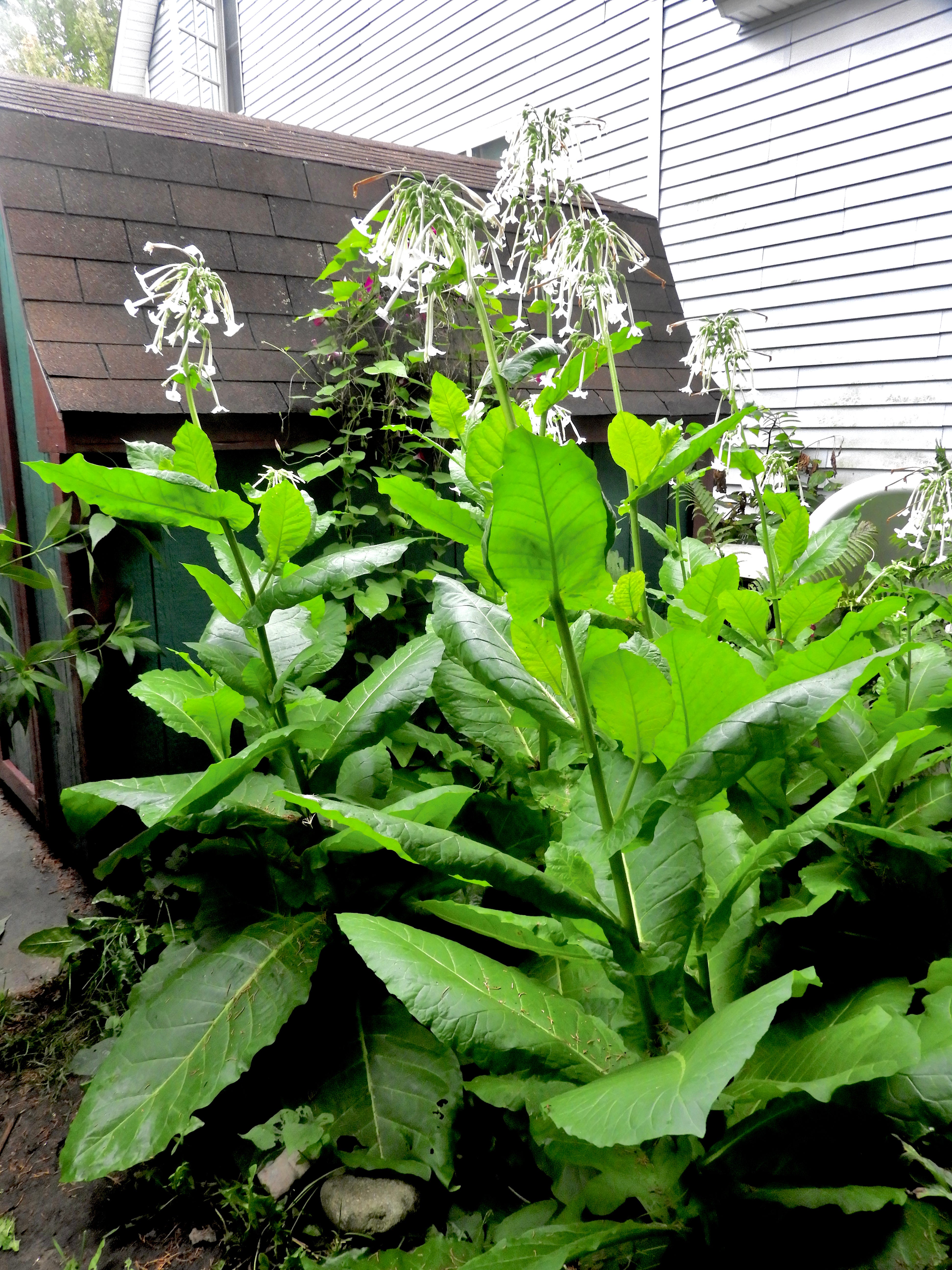
With seeds like grains of sand, Nicotiana Sylvestris (known as Only the Lonely Nicotiana) grows as tall as me… over 6 feet.. and is topped by numerous hanging tumbrels of white tubed flowers. Aromatic at dusk, with basal leaves that can be irritating to the skin and potentially toxic to pets but are huge and recall the family from which this flowering relative hails: tobacco.

They thrive in damp, well fed, composted soil and do best in part sun.

I’ve routinely had success with them in a garden I developed behind my shed that initially was primarily made up of fill to support a level driveway on a sloping lot. Over the years I cultivated this and tried a variety of flowers with a range of success.  In high summer it gets sun between 10 or 11 in the morning and two or three in the afternoon. In the meantime, my dog used it as a poop place in the winter… because it is close to the back door and his usual habit is to seek some privacy for doing his bowel routine. After I tried the nicotiana in several other places in other flower beds I planted some there and they loved it. Half of the process of growing almost anything is finding a place in your garden where it is happy. And it will let you know. I think this plant is especially notable for reminding us that a full day of sun is not always preferred by a large number of flowers and even many vegetables.

Sad story, this year though. As I have grown accustomed to making my own seed starting mix, I must’ve got hold of some bad compost in the mix (that’ll teach me to go cheap!) and many of my plants suffered and stunted in ways I’d never witnessed and they refused to recover, even after I transplanted them into larger containers with different dirt. I did have a few surviving nicotiana plants, much smaller than in previous years, but I thought I’d give them a try anyway. Living even for a year without the presence of these magnificent plants was a difficult thought.

It was a wet late spring, and even though the plants looked to be recovering from their early malaise… like the other flowers and vegetables subject to the same tragic seed starting mix…  after we got back from a week-long trip it was clear the slugs (with which I am in constant war… no… don’t suggest dishes of beer… these buggers love the stuff, I am convinced) had their way with the little plants. Slugs do love these plants! But I thought I had treated the bed adequately to keep them at bay.

Damn.

So I bought a flat of impatiens. Pretty. But not nearly as grand and aromatic as Nicotiana Sylvestris!
9) Lettuce and Greens

One of the great joys in my life is to be able to pick a variety of greens and lettuces from my garden for a salad almost every day. I’ve already spoken about the rustic arugula.  But I am so grateful I’ve discovered mustard greens and the many many varieties of heirloom lettuce that fill my lettuce bowl.

Mustard greens, somewhat like spinach and other greens, are susceptible to heat and tend to bolt and go to flower quite early. Luckily enough there is some range in how various varieties respond the increasing summer heat.  Kyoto Mizuna mustard, a Japanese variety, for instance, can be a little more heat tolerant and if it makes it through the hottest part of the summer (planting these varieties in areas of the garden that are somewhat shaded during the hottest part of the day and spraying them down on a daily basis helps) it can really come into its own as the cooler days of fall rolls out. I’ve picked Mizuna out from under an inch of snow.

There are a couple of mustard green varieties that self-seed readily, so if I allow them to go to flower (not ugly!) I can be assured that I will have more greens in a few weeks or, more likely, come spring.

And mustard greens are routinely attractive and varied in their foliage. The coloration can vary from variety to variety, so they are pretty in the garden and in a salad bowl. The spicier varieties are a great addition to cooked greens.

Over the years I have played around with a great number of varieties of lettuce and while I have my favorites that are never absent from my garden, I continue to try new varieties. Here are a few I keep in my garden:

Deer Tongue: I think this may be my favorite all time salad lettuce. It’s a smaller romaine variety with leaves that are shaped like… you guessed it… deer tongues.  It is quite crisp, with a romaine-like thicker central rib, but nothing nearly as tough as the rib of the romaine found in grocery stores.  It is tasty and substantial enough, succulent even, to hold up in a tossed salad. Like most of these lettuces, it keeps well and long after picking. I keep my lettuce in a storage container after numerous washings. The first washing consists of letting the freshly picked lettuce sit in a bowl or sink full of water for at least an hour, stirring it gently from time to time.  I keep some of the water from the washings on the lettuce before I put it in my storage container and I most often keep the root on the head, regardless of size, until I want to use it, that seems to improve its longevity after picking.

Susan’s Red Bibb: This is an old variety that is frilly and, with its reddish tinged edges, looks good in a garden and a salad. It is susceptible to heat and can bolt earlier than most, but it is worth having. Its crinkled leaf holds up better than most non-head or romaine lettuces and it has some satisfying crunch.  I try to plant this as early as I can and it is often among the first of the lettuces I can pick, as thinnings, for spring mix salad. It does best in a cooler spot in the garden and even in part shade, though that can slow the growth. Daily spray-downs are helpful especially in dry seasons.

Loma:  This is a more recent addition to the varieties I am sure to include in my lettuce beds. It is crisp and frilly, really adds substance to a salad, holding up other ingredients and not allowing the salad to flatten out in the bottom of the bowl like some leafy greens and lettuces. It holds up very well in heat and grows full leafy heads if given the space. It is bright green and the leaves are a little spikey, adding a unique texture to your bowl. Love this stuff. Usually, it is the last lettuce to bolt, as late as mid-August depending on the weather and your climate. We are fortunate here, right up against Lake Michigan, where the cooling breezes rarely allow stultifying heat to settle in.

Tom Thumb: I have to admit the reason I was initially attracted to this variety was because it was one of Thomas Jefferson’s favorites. In fact, I first found out about the catalogue I that order much of my lettuce seed from, Southern Exposure Seed Exchange, during a visit to Monticello over twenty years ago.  Another variety that benefits from daily spray downs and to be grown in a cooler spot in the garden, it is what I can only call delightful, with each little head of rounded looseleaf lettuce about the exact size for a single salad. While I enjoy salads with a number of different kinds of greens and lettuces, I also enjoy making a salad out of just one variety, to really get to know the subtle and engaging differences. This lettuce is perfect for that. Succulent and sweet, if lettuce can be called sweet, it joins perfectly with a light vinaigrette and some green onion… maybe some gorgonzola crumbles. Lately we’ve taken to adding a few sesame sticks to our salads. Perfect.


10) Parsnips

Parsnips can be a pain in the ass. The biggest part of the problem is getting them to germinate. One must be patient. It can take weeks and is generally inconsistent.  But really, I don’t require a huge number of these earthy ivory-colored babies, and however well they germinate (this year I have had very good results, last year I think I had less than half dozen) they are an absolute requirement, in my opinion, for post snow-melt soups and stews in the spring.

I rarely if ever pull parsnips until the spring, after they have sweetened for the duration of the winter. Pulled in the spring, one must attend to them and pull them before the new greens, the 2nd year greens, grow too much. If you wait too long the parsnip will become spongy and punky.

As stated previously: adding parsnip to a roasting pan with other root vegetables, with or without fowl or meat of some kind, and your favorite combination savory herbs, garlic and some onion quarters, is spectacular.
11) Turnip Greens

In my adult life, having been introduced to them by a number of friends and family, I’ve developed a deep and abiding affection for a pot of greens, cooked long and low with a couple of ham hocks or smoked turkey legs, onion, and a few teaspoons of hot pepper flakes.  I started growing turnip greens in one corner of one of my community garden plots. I’ve also grown collards, but I have to say I am partial to turnip greens, and they will always make up the greater majority of my pot of greens.

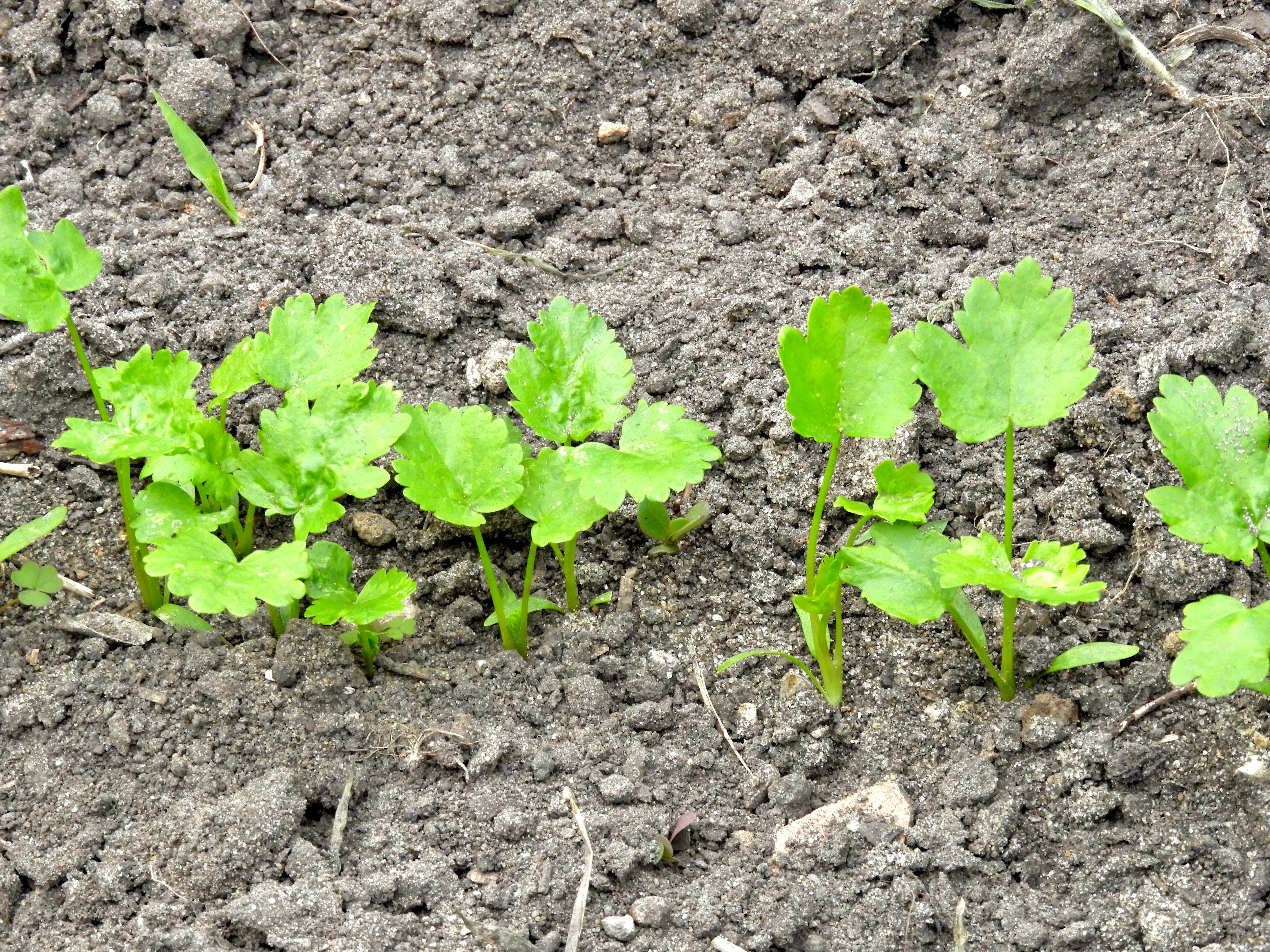
You can use the greens from regular bulbing turnips, but there are turnip-less turnip greens that grow profusely and aren’t susceptible to heat. They often will resprout and grow the second spring and if allowed, send up a profuse bunch of very attractive yellow blossoms.

I am able to do several cuttings the first year and have taken to making a big pot in a slow cooker and then dividing it into three or four freezer bags or containers for future use. Greens keep well and are one of those foods that get better over time. The smaller frozen portions work very nicely for a small family or couple. I love to fold warmed greens into an omelet along with some slices of Swiss cheese. In the spring you can cut the new leaves and cook them before they send up flowers if you like, but I like the flowers.


12) Garlic & Shallots

When I first started to grow them, I was delighted and excited by the processes and productivity of growing shallots and garlic. Like my education in growing tomatoes, I was introduced and instructed… informally, by observation and asking questions… by several garden saints who, like many gardeners (who happen to be, I believe, some of the most generous people I know) willingly, happily, share their knowledge with the deeper if unstated understanding that this kind of knowledge is very old and essential to humanity.

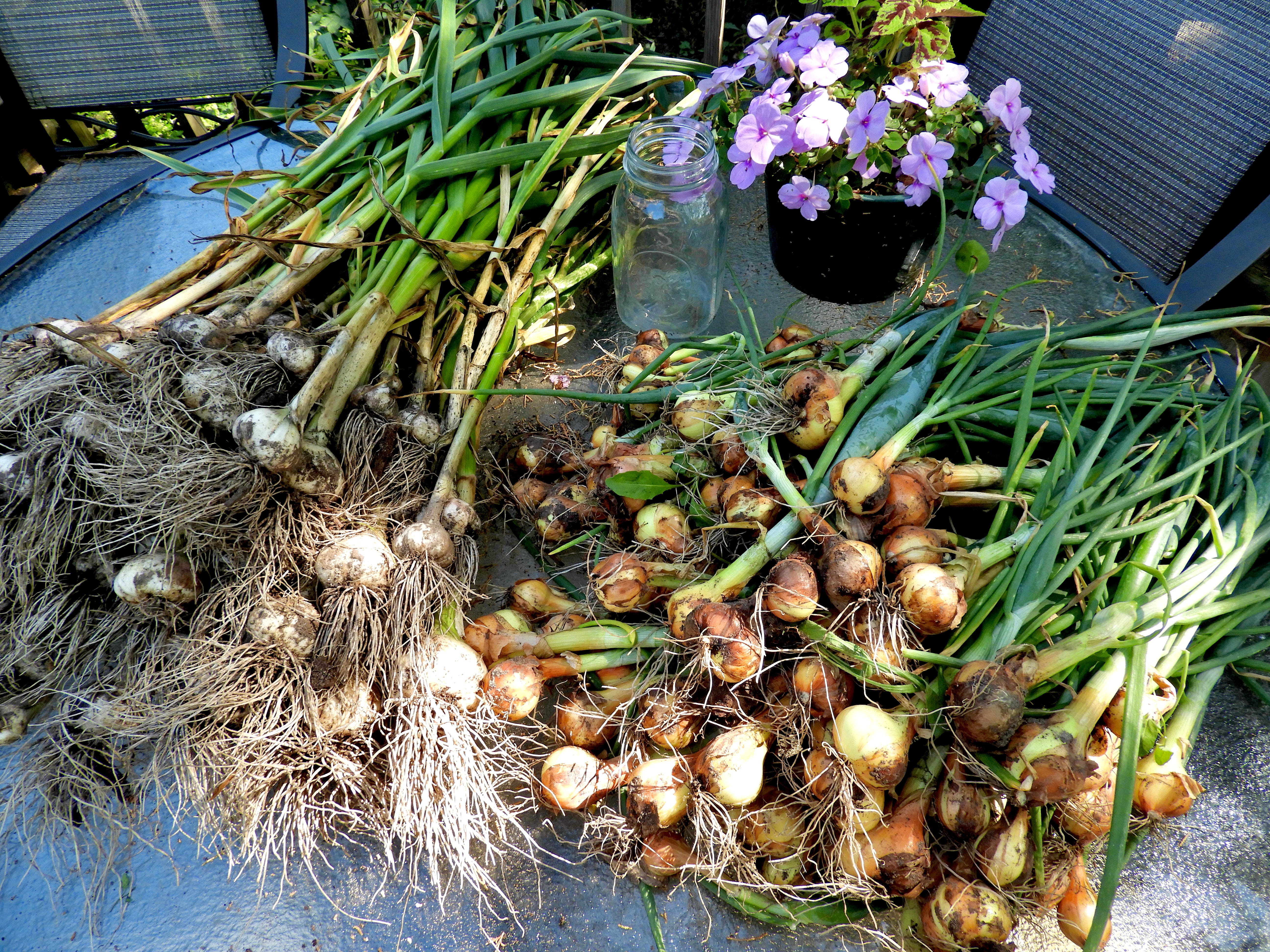
I suggest that anyone interested in starting a garden who may be less than confident about the whole thing: why not start with garlic and/or shallots? You put a garlic clove in the dirt in the fall (I prefer after the first hard frosts) and watch it grow after the snow or cold winter passes, then you pull up a bulb with many more cloves in the early summer. Easy-peasy. Make sure to clip the scape, a flower head that emerges and curls coquettishly from the main plant in early summer, from each garlic plant to encourage its energy to go to the bulb instead of its flowering. Finely chopped, those scapes are great for a number of condiments and pesto. I fertilize my garlic and shallots with a fish fertilizer, and it works dramatically to help produce very large bulbs with numerous cloves of garlic, and in the case of the shallots, it results in groupings of four to eight shallots each from one shallot bulb planted in the Fall.

Just remember:  Use your largest garlic cloves as seed cloves to produce the largest bulbs and use your smaller shallots as seed to produce the most numerous groupings of shallots at harvest.

A note about introducing children to gardening. My grandchild, an urban kid with little opportunity or space for any kind of gardening education, was not really interested in my entreaties to her to help me in the garden during one of her summer visits. But then I took her over to the community garden to help me pull and harvest the garlic and shallots. She admitted the whole process of digging and pulling up the big garlic bulbs was fun. This led me to my understanding that the most successful way to introduce kids to gardening may be to start with harvest as opposed to planting and preparing beds. I think my clear reminiscences of picking beans, as mixed as they might have been experienced at the time, are a good example of what I mean.
13) Peas

Peas may be the sexiest vegetable around. The way the little vines reach out and grab hold of a trellis. You can almost see them move. A sensuous search, feeling through the blindness of the air, a supersensory aptitude to find the thing one must clutch and hold on to and climb.

And the peas… even the pods…  pure heaven. Sweet and nutty. Like a first kiss.


14) Herbs: Greek Oregano, Dill, Sage, Parsley, Basil

One thing about herbs: grow your own. Tie them in little bunches and hang them to dry in a visible place in your house. There’s magic in this. You can hold the entire history of alchemy and chemistry in your hand and in your kitchen.

Chopping up oregano leaves fresh from the garden for sauces. Smell it on your hands.

Grow herbs just to be able to walk by them and pass your hands through them. Magic happens. You are a pagan practitioner, a witch connected to all the other witches over all time.

Let them volunteer in your yard. Make your lawn a repository of thyme and the other pungent reminders that everything you know about preparing food and eating comes from the sense memory of eons of your relatives that came before you.

Pass it on.


15) The Welcome Wild Things: Jack in the Pulpit, Mullein, Trillium, Joe Pye Weed etc

I am so pleased when I find interesting and attractive wild native plants and even some invasives volunteering in my yard. And I have found a few honorable, ethical, commercial sources of native plants that have adapted well in my little ecosystem.

I brought two Pawpaw trees into my yard, and they are thriving. It’s been five years, and they are taller than me. I’ve had blossoms but no fruit yet. Who knows? My yard is a couple hundred miles north of their native range, a remnant tropical that persevered, survived and thrived, in riverine semi wetlands from southern Michigan to the Ohio Valley and south along the Mississippi. The fruit, so tender as to be very unmarketable but incredibly unique, a flavorful custard in a peel. Only available a few weeks in the early Fall. Entirely un-transportable. I thought: with climate change, perhaps I can help it move north if it needs to.

I’ve a little clutch of jack-in-the-pulpits that have appeared in an uncultivated back corner of my lot. It started with two volunteer plants and now there is a clutch of recognizable leaves from some more young plants nearby. It’s clear the seedhead from the larger mature plants, a rather large and otherworldly, even obscene, clutch of red seeds, must have tipped and fallen where all these little ones have taken root.

Mullein is a tall, even graceful plant with a tall spike that, in the plant’s second year, rises out of its wooly grey-green basal leaves to a flower head. A little phallic, the flower head opens several little yellow blossoms at a time over many weeks in the summer. They are seen most often in disturbed areas and along roadsides. Weeds. But I always have one or two that shoot up in the yard. One, this year, as tall as me, has blossomed along the walk to my front door. It is quite regal, stately even.

Milkweed too is a common welcome interloper, and the blossoms are exceptional… the smell? Heady and full of animal sex.

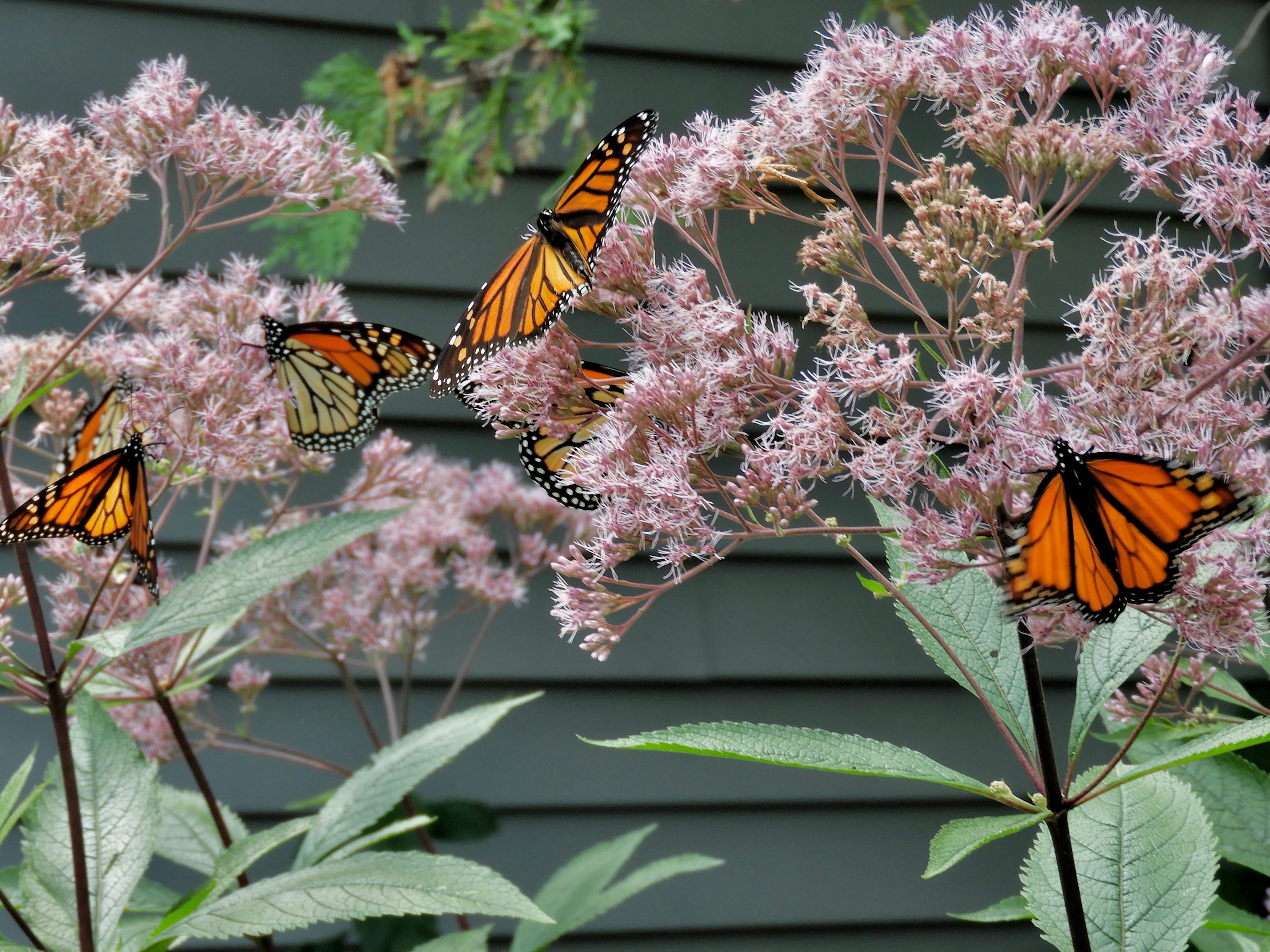
The milkweed, along with the zinnia and a clutch of Joe Pye Weed, another very tall native plant that sports a wide pinkish flower tumbrel, attracts scads of monarch butterflies some years. One year the butterflies were so numerous there would at times be dozens in the Joe Pye Weed at once.

There are respectable suppliers, more and more, who grow their own native plants without the damaging aspects inherent in collecting them from the wild. I have a clutch of trillium from a supplier like that. The spreading mass of a very satisfying native plant, Bloodroot, was given to me by someone who had more than they needed in their yard, and it has found a satisfying place by my pond.

A very modest wildflower has also found a place in my flower garden. The lowly buttercup. One can find their deeply serrated leaves and little cupped blossoms everywhere around here in wild, semi-wild, and disturbed places. In my garden one has created a pillow of those serrated leaves, and it sends up a cloud of yellow buttercups that add color to the yard in the mid to late spring when little else is flowering. It has seeded and grown beyond that plant but is easy enough to control (just like another recent arrival, a so-called invasive orchid Epipactis helleborine) by selective pulling.

And hell, in most cases I prefer having to keep a desirable plant from growing too much over having to work too hard to make something that doesn’t really belong here stay!

There are definitely exceptions!